Psychology of Selling and Marketing

How extraordinary experiences and personality traits shape emotional brand attachment
New research shows that extraordinary experiences build stronger emotional brand attachment than ordinary routines. However, this effect relies on a consumer's personality, working effectively for introverts but failing to translate into brand loyalty for highly extroverted individuals.

What Chinese beauty influencers reveal about the limits of the Silicon Valley playbook
A five-year study of Chinese male beauty influencers finds they reshape ideas about masculinity and beauty without the diversity language, or the structural battles, common among Western creators, suggesting the "influencer" model is not universal.

People prefer prizes that could have been worse, study finds
Seven experiments with 12,000 participants show people prefer prizes that emerged from uncertainty over identical prizes given outright, apparently because mystery draws prompt mental comparisons to worse alternatives that could have happened.

How generative AI is changing the volume and tone of consumer reviews
When Italy briefly banned ChatGPT in 2023, researchers used the four-week outage to measure how AI tools change online reviews. The result: fewer, shorter, less opinionated hotel reviews when the tool went away.

Shoppers hate skimpflation more than shrinkflation, new research finds
Across ten experiments, shoppers judged quality-cutting more harshly than shrinking packages or raising prices, and were less willing to buy reformulated products — especially when the original experience couldn't be recovered.

Can AI Design a Better Ad? A New Study Puts It to the Test
Researchers fine-tuned an AI image generator on real consumer reactions and found its ads often matched or beat human-made ones, except when a product needed to stand out through surprise.

When “Eight” beats “8”: How spelled-out numbers change flavor expectations
New research finds that numbers in food and drink brand names raise taste expectations, with written-out numbers like "Two" outperforming digits, and back-vowel numbers evoking richer flavor profiles than front-vowel ones.

A good brand match does more for fake influencers than real ones
New research finds that brand fit boosts engagement differently for human and computer-generated influencers. For virtual personas, a good match works mainly by building a sense of authenticity that shoppers might otherwise doubt.

Can criticism be a sign of brand loyalty? A study of gaming communities says yes
Analyzing 23,000 Reddit posts with AI, researchers found video game fans defend their favorite titles more than they praise them, and that harsh criticism often signals deep loyalty rather than disloyalty.
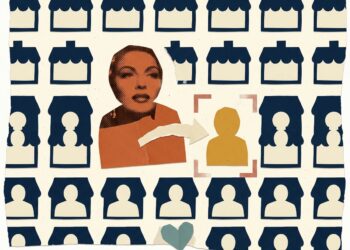
When beauty backfires: Why some shoppers steer clear of good-looking salespeople
New research finds that women in committed relationships tend to avoid strikingly attractive salespeople, choosing plainer-looking staff instead. The pattern held across five studies, complicating the long-held marketing belief that good looks always help close a sale.