New Research

Smaller influencers drive engagement while bigger ones drive purchases, meta-analysis finds
A meta-analysis of 135 experiments finds that influencer size shapes marketing outcomes in surprising ways, with smaller influencers driving engagement and larger ones driving purchase intent.

Political conservatives are more drawn to baby-faced product designs, and purity values explain why
New research across nine experiments finds political conservatives prefer baby-faced product designs more than liberals do, and purity-related moral values appear to explain the connection.

Free gifts with no strings attached can boost customer spending by over 30%, study finds
A new study finds that giving customers a free gift before they buy anything can boost spending by over 30% and strengthen loyalty, even when the gift costs very little.

New research reveals the “Goldilocks” age for social media influencers
New research finds that social media influencers who appear middle-aged often outperform the youngest creators, challenging the long-held belief that youth always sells.

What today’s shoppers really want from salespeople, and what drives them away
New research reveals which salesperson qualities matter most to today's informed consumers, how those preferences shift across retail, direct-selling, and complaint scenarios, and which traits drive negative reviews.
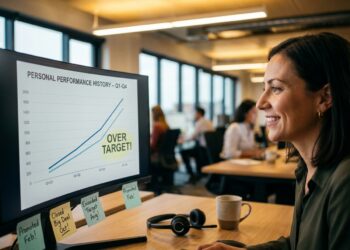
The salesperson who competes against themselves may outperform the one trying to beat everyone else
New research reveals that salespeople driven to beat their own past performance may outwork and out-help those focused on beating colleagues, with major implications for hiring and management.

When sales managers serve first, salespeople stay longer and sell more confidently
A study of 302 B2B salespeople finds that servant leadership is linked to lower turnover intentions and higher confidence, but the path to better sales performance is indirect.
![[Adobe Stock]](https://www.psychologyofselling.pro/wp-content/uploads/2025/11/happy-businessman-shaking-hands-350x250.jpg)
Emotional intelligence linked to better sales performance
A study of 381 pharmacy sales reps in Vietnam found that emotional intelligence, especially emotion regulation, was linked to stronger customer focus and better sales results.

When a goal-driven boss ignores relationships, manipulative employees may fight back
A study of 332 Chinese employees finds that goal-focused, relationship-neglecting bosses may trigger counterproductive behavior and burnout in manipulative employees.

When salespeople fail to hit their targets, inner drive matters more than bonus checks
A study of 110 salespeople finds that inner drive, not financial incentives, is more closely linked to bouncing back after failure, with implications for how managers motivate struggling reps.